Vancouver homeowners are rewriting the rulebook for outdoor space. Where front yards once served as mere curb appeal and backyards as anonymous patches of grass, modern landscapes in Vancouver BC are becoming extensions of living rooms, stages for low-maintenance play, and microclimates that perform year-round. If you care about style, resilience, and value, understanding the current trends will help you make choices that work for our wet winters, temperate summers, and the specific microclimates that define Metro Vancouver.
Why these trends matter is simple: a smart landscape pays dividends in usability, maintenance, and resale. I’ve overseen projects from Kitsilano infill courtyards to larger estates on the North Shore, and the homeowners who thought long-term usually end up with less hassle and more enjoyment. Below I outline the most influential directions, practical trade-offs, and concrete steps to get the look and performance right.
A reshaped relationship with lawn The concept of a lawn has shifted. In many modern Vancouver designs the traditional expansive turf is reduced or removed entirely. Homeowners want space that tolerates rain without turning into a swamp, requires fewer inputs, and supports biodiversity.
Replace or reduce turf where it sits in poorly drained hollows or where use is infrequent. For occasional play, hybrid strategies work well: a 20 to 40 percent reduction in lawn area routed around multifunctional hardscape and plantings gives the same perceived openness with far less mowing. If you must keep turf, choose cultivars bred for shade and wet conditions and plan subgrade drainage and a soil profile with organic matter to prevent compaction.
Low-water and climate-smart planting Plant palettes are shifting toward species that handle the Pacific Northwest’s seasonal rhythm. That means pairing moisture-loving perennials and ferns in shaded beds with drought-tolerant shrubs on sunnier slopes. The advantage is fewer replacements, less fertilizer, and more reliable color throughout the year.
Consider native and adapted plants as the backbone. Salal, Oregon grape, sword ferns, and Pacific rhododendrons provide structure, but mix in Mediterranean-influenced perennials and grasses on southern exposures to give contrast and reduce summer irrigation. In my experience, a planting scheme that uses roughly 60 percent natives and 40 percent adapted ornamentals balances ecological function and curated aesthetics.
Hardscape as a living room Hard surfaces are no low-maintenance landscape installation longer just pathways. Homeowners are carving terraces, outdoor kitchens, and lounging areas into the landscape in ways that extend seasons and function. Porous pavers, large-format natural stone, and linear concrete bands are common, but choice should be guided by permeability and heat behavior.
Porous materials help manage the high annual rainfall in Vancouver BC. When you add a seating terrace or a compact driveway, integrating permeable pavers or permeable joints with a gravel subbase reduces runoff and protects municipal storm systems. A note on scale: smaller patios around 12 to 16 square meters feel generous for typical lots, while larger entertainment terraces should be planned with sightlines and privacy in mind to avoid feeling like a bare slab.
Stormwater management as design Green infrastructure has moved from utility to feature. Rain gardens, bioswales, and retained infiltration areas are increasingly visible in residential settings. They lower water bills, reduce erosion, and add interesting texture to the yard.
A simple rain garden sized to capture roof runoff from a downspout can be as small as one or two square meters but makes a real difference. For larger roofs, design the basin to handle seasonal flow and plant it with moisture-tolerant species that can survive both inundation and dry spells. If your lot has a slope, use terracing and check dams to slow flow and allow infiltration.
Outdoor lighting and year-round use Lighting is both safety and mood. Vancouver evenings are long through the winter months, and quality landscape lighting extends the usefulness of your outdoor spaces. Layered lighting—path, task, and accent—creates depth. Use warm color temperatures to maintain a cozy feel and low-voltage LED fixtures to minimize energy use.
Place lights to reveal texture, not just illumination. Uplighting a specimen tree, accenting a stone wall, or underlighting a bench can transform a yard when days shorten in October. Consider timers and smart controls so lights only run when needed.
Privacy done intelligently Privacy screens are evolving from tall solid fences to layered solutions that preserve light and breezes. Trellised plantings, lattice with vines, and staggered hedges allow seclusion without the boxed-in feel of opaque barriers.
In tight lots, a three-tiered approach works well: lower evergreen hedging for year-round base privacy, medium structural elements like horizontal wood slats to block specific sightlines, and upper vine trellises to soften the skyline. This approach keeps the garden airy while still giving the homeowner control over views.
Sustainable materials and embodied carbon Clients now ask about material origins and longevity. Hardscape choices matter: reclaimed wood, locally quarried stone, and long-life composite decking reduce replacement cycles and transport emissions. Concrete remains useful but choose mixes with supplementary cementitious materials when possible to reduce embodied carbon.
There are trade-offs. Reclaimed materials can carry a premium and require skilled detailing to ensure durability. Local stone can be more expensive than imported alternatives but often fits the climate better and lasts longer, offsetting initial cost over 10 to 20 years.
Small yard strategies with big impact City lots are getting smaller, and clever design makes limited space functional. Vertical gardens, foldaway furniture, and integrated storage create surprising capacity. Angled seating, raised planters that double as screens, and multi-functional hardscape allow a 30 square meter yard to feel like an outdoor suite.
I once redesigned a 45 square meter Kitsilano backyard where the client wanted room for a small child to play, an outdoor dining area, and privacy. By rotating the deck 30 degrees, creating a raised fire-friendly planting bed that doubles as seating, and replacing half the lawn with gravel and stepping stones, we created zones that felt larger and more usable than the original layout.
Edible landscaping and productive borders Home food production is now mainstream. Urban gardeners in Vancouver turn narrow strips into productive borders by intermixing herbs, berries, and dwarf fruit trees with ornamental perennials. This approach makes the yard both beautiful and useful.
Plan for disease and pest management proactively. Spacing and good air circulation reduce fungal pressures during wet months. Also, consider pollinator attractors like borage and native flowering shrubs to boost yields without chemicals.
Technology and controls with restraint Smart irrigation, soil moisture sensors, and app-controlled lighting give fine-grain control over resources and comfort. Use technology to fix real problems, not to complicate maintenance. A soil moisture probe that stops irrigation when the root zone is wet may cut water use by 20 to 40 percent during shoulder seasons. Conversely, over-automating without simple manual overrides makes small repairs disproportionately difficult for homeowners.
A sensible sequence for a remodel If you are planning a yard makeover, follow a pragmatic sequence. Start with drainage and grading, then hardscape, then irrigation and lights, and finally planting. Getting the bones right first prevents rework. For projects less than 100 square meters, a phased approach often makes budgeting easier and lets you test plant choices at small scale.
Checklist for planning a project
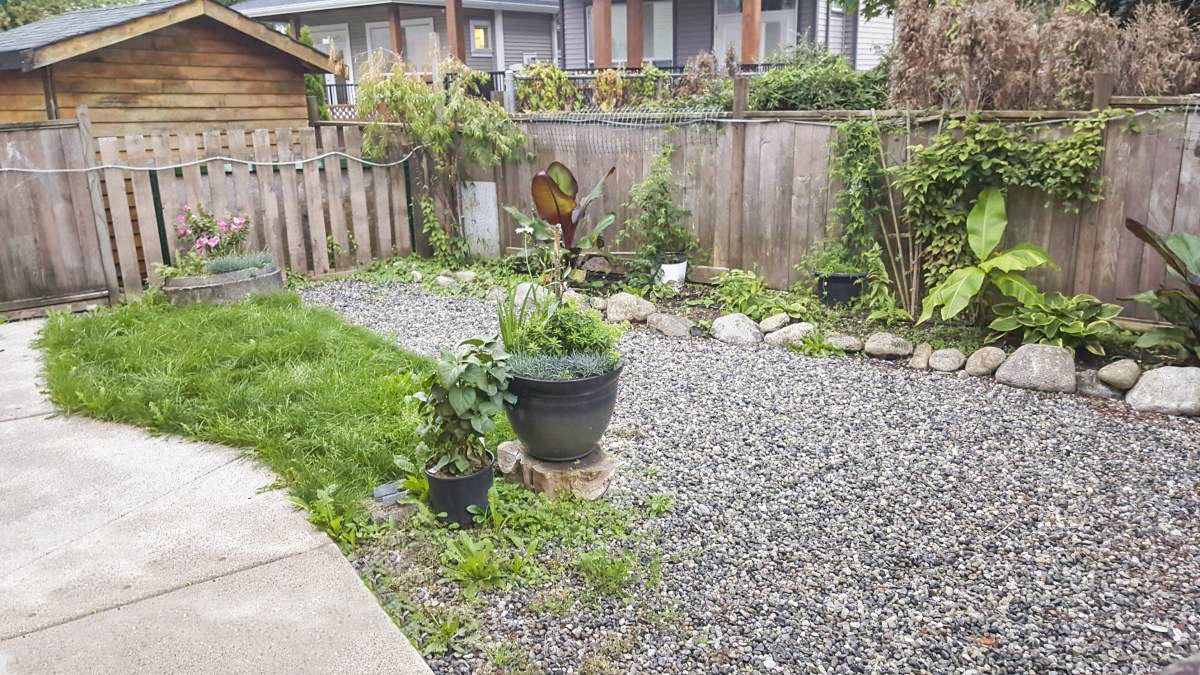
- assess drainage, sun exposure, and soil conditions prioritize durable, permeable hardscaping before planting choose a plant palette that mixes natives and adapted species specify lighting and irrigation with controls that favor conservation
The role of professional landscape services in Vancouver BC Hiring a design-build firm makes a measurable difference. Designers translate vision into construction documents that tradespeople can follow. Contractors with local experience understand municipal bylaws, drainage expectations, and plant performance.
If you consult a firm such as Luxy Landscaping, expect an initial site assessment, a conceptual design, and a phased cost estimate. Transparent pricing for excavation, subgrade preparation, and engineered drainage will save money over the long run. Beware of low bids that skimp on subbase materials under patios or use undersized drainage pipes; these are common sources of premature failures.
Maintenance realities and lifecycle thinking Maintenance drives total cost of ownership. A low-maintenance garden is not maintenance-free. Pruning, mulching, and seasonal checks on drainage and irrigation typically consume one to Landscaping Services Greater Vancouver BC two afternoons per month in a medium-sized yard, more in a high-intensity edible landscape.
Budget for a maintenance plan when you build. A one-year establishment service that covers watering and formative pruning increases survival rates and keeps plants from overrunning their intended footprint. If you plan to DIY, set aside an annual maintenance budget equivalent to roughly 1 to 2 percent of the initial installation cost for the first five years.
Designing for the edge cases Vancouver has microclimates. South-facing courtyards on a concrete canyon can feel several degrees warmer and drier than north-facing lawns under mature conifers. Salt spray near the seawall and cold pockets on certain slopes require specific species and detailing. Consider these edge cases early. For example, use salt-tolerant shrubs within 100 meters of the coast and avoid shallow-rooted plants on exposed slopes.
Permits, regulations, and environmental considerations City bylaws affect driveway changes, tree removals, and fence heights. For older neighborhoods, heritage overlays can limit visible alterations. When a project involves large trees, consult an arborist before digging. Root damage to mature trees is a common trigger for disputes and fines.
If you plan significant excavation near a property line, check for municipal or strata requirements. Many municipalities in the Lower Mainland require erosion and sediment control during construction and will require site stabilization before final approvals.
Cost ranges with realistic expectations Small makeovers from 10 to 30 square meters—patio, plantings, and modest lighting—often range from about CAD 8,000 to 25,000 depending on materials and site access. Mid-scale projects of 30 to 100 square meters that include drainage work, new lawn or turf reduction, and higher-end materials commonly fall between CAD 25,000 and 75,000. Larger builds with terraces, retaining walls, and complex irrigation cross into six figures. These are rough ranges; site conditions, design complexity, and material choices will shift numbers.
Three practical decisions that change long-term outcomes
- invest in a robust subgrade and drainage strategy to avoid recurring water problems choose plant material for mature size rather than juvenile appearance to prevent future crowding plan the lighting and electrical conduits during hardscape work to avoid cutting into finished surfaces later
Making a final decision A modern Vancouver landscape balances ecology, utility, and aesthetic clarity. Architects and landscape professionals increasingly collaborate early on, producing coordinated designs that respect the home architecture while responding to local climate realities. Whether you are renovating a modest yard or commissioning a full rebuild, prioritize the fundamentals: drainage, appropriate plant selection, and durable materials. Firms like Luxy Landscaping can provide local knowledge and execution, but the greatest value comes from a clear brief, realistic budget, and a willingness to consider phased implementation.
If you want a yard that performs as well as it looks, approach the project as a set of investments with predictable maintenance obligations. That mindset will create an outdoor space that not only increases your home's value but becomes the place you want to spend more time.
Luxy Landscaping
1285 W Broadway #600, Vancouver, BC V6H 3X8, Canada
+1-778-953-1444
[email protected]
Website: https://luxylandscaping.ca/